Dubai’s real estate market continues to lead global property performance, attracting investors from every continent. Even in a year of global uncertainty, the Dubai housing market in 2025 remains strong, fueled by economic diversification, long-term residency options, and record-breaking demand in both the luxury and mid-market sectors.
Recent government policies — including Golden Visas, zero property tax, and relaxed ownership rules — have made Dubai a secure, high-return destination for property investment. Add in world-class infrastructure and consistent population growth, and it’s no surprise that Dubai is the most dynamic property market in the Middle East.
Let’s explore the six defining trends shaping Dubai real estate in 2025 and what they mean for buyers, renters, and investors.
1 – Off-Plan Dominance & Flexible Payment Plans
The biggest story in Dubai real estate 2025 is the overwhelming dominance of off-plan projects, which now represent more than 70% of all property sales. Developers are offering extended post-handover payment plans, lower initial deposits, and attractive launch prices — making it easier for investors to enter the market.
Off-plan properties also appeal to buyers who want brand-new designs, premium amenities, and strong future appreciation. However, smart investors should research developer credibility and project timelines before committing.
Hot off-plan areas: Dubai Hills, Business Bay, Jumeirah Village Circle (JVC), Dubai South, and MBR City.
2 – Suburban Growth & Family-Oriented Communities
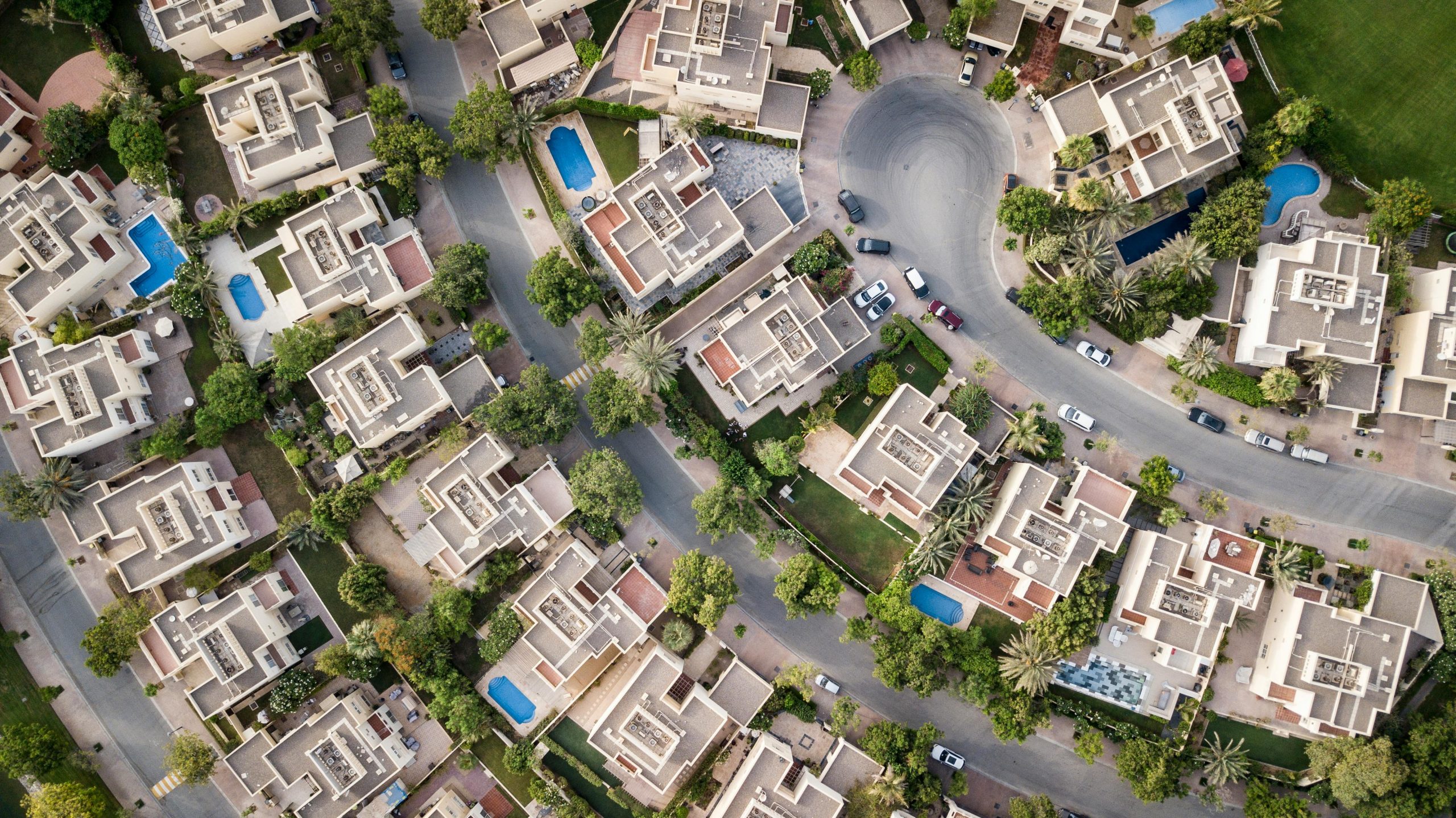
As prime areas like Downtown Dubai and Palm Jumeirah reach record prices, demand is shifting toward suburban and emerging districts offering more space and community amenities at a lower cost.
Neighborhoods such as Dubai South, JVC, Arjan, and Town Square are seeing rapid development, with new schools, parks, and retail hubs catering to young families and professionals seeking lifestyle balance.
The shift marks a long-term trend: people want value, community, and connectivity, not just a central address. Investors should watch these suburban zones for steady rental demand and long-term capital growth.
3 – Sustainable & Smart Living Becomes the New Standard
Dubai’s Vision 2040 and sustainability targets are driving a new generation of eco-conscious, technology-enabled developments. Buyers now expect smart-home automation, energy-efficient appliances, and green building certifications.
Developers like Emaar, Sobha, and DAMAC are integrating solar power, smart lighting, water recycling, and wellness amenities into their projects. Smart living isn’t a luxury anymore — it’s becoming standard.
For investors, sustainability adds marketability and resale value, while tenants appreciate lower utility costs and healthier environments.
4 – Tech & PropTech Shaping the Real Estate Experience
Technology is transforming how people buy, sell, and manage property in Dubai. PropTech innovations such as AI-powered valuation tools, blockchain transactions, and virtual 3D tours are now common in the UAE.
Platforms offering tokenized real estate or AI-driven investment analytics are empowering investors to make data-backed decisions. Even property management is getting smarter with automation, digital leases, and smart key systems.
Dubai’s rapid adoption of PropTech strengthens its reputation as one of the most advanced and transparent property markets globally.
5 – Luxury Demand Remains Strong — But Value Is Rising Too
The luxury segment continues to dominate headlines, with branded residences and waterfront properties selling at record levels. However, the mid-market and affordable segments are gaining equal attention, as rental yields and long-term ROI remain strong outside the prime zones.
This dual demand — ultra-luxury and value-based investment — defines the 2025 market. For every penthouse in Palm Jumeirah, there’s rising interest in townhouses in JVC or villas in Dubai South.
6 – Market Outlook — What Investors Should Watch in 2025
While Dubai’s property prices have seen significant appreciation over the past three years, analysts expect a gradual stabilization in 2025, especially as new supply enters the market.
This doesn’t signal a slowdown — rather, it suggests a healthy, maturing market where fundamentals remain strong.
Key things to monitor this year:
- Off-plan delivery timelines and new project launches.
- Supply growth in suburban communities.
- Rental yield trends across key districts.
- Policy changes linked to foreign ownership and visas.
For investors, diversification and timing are crucial — consider mixing off-plan investments with high-yield rental properties in established areas.
Final Thoughts
Dubai’s real estate market continues to evolve rapidly, blending innovation, lifestyle, and investment potential. Whether you’re a first-time buyer, long-term investor, or developer, 2025 offers unmatched opportunities to grow and diversify your portfolio.
Dubai’s future lies in smart, sustainable, and community-focused developments — and those who act early stand to benefit most.
👉 Explore top off-plan projects and investment opportunities:


